

GLASS FIBER REINFORCED POLYMER
The GFRP Institute South Africa is dedicated to promoting best practices, quality standards and compliance within the Glass Fiber Reinforced Polymer (GFRP) composites industry.
OVERVIEW
GFRP INSTITUTE
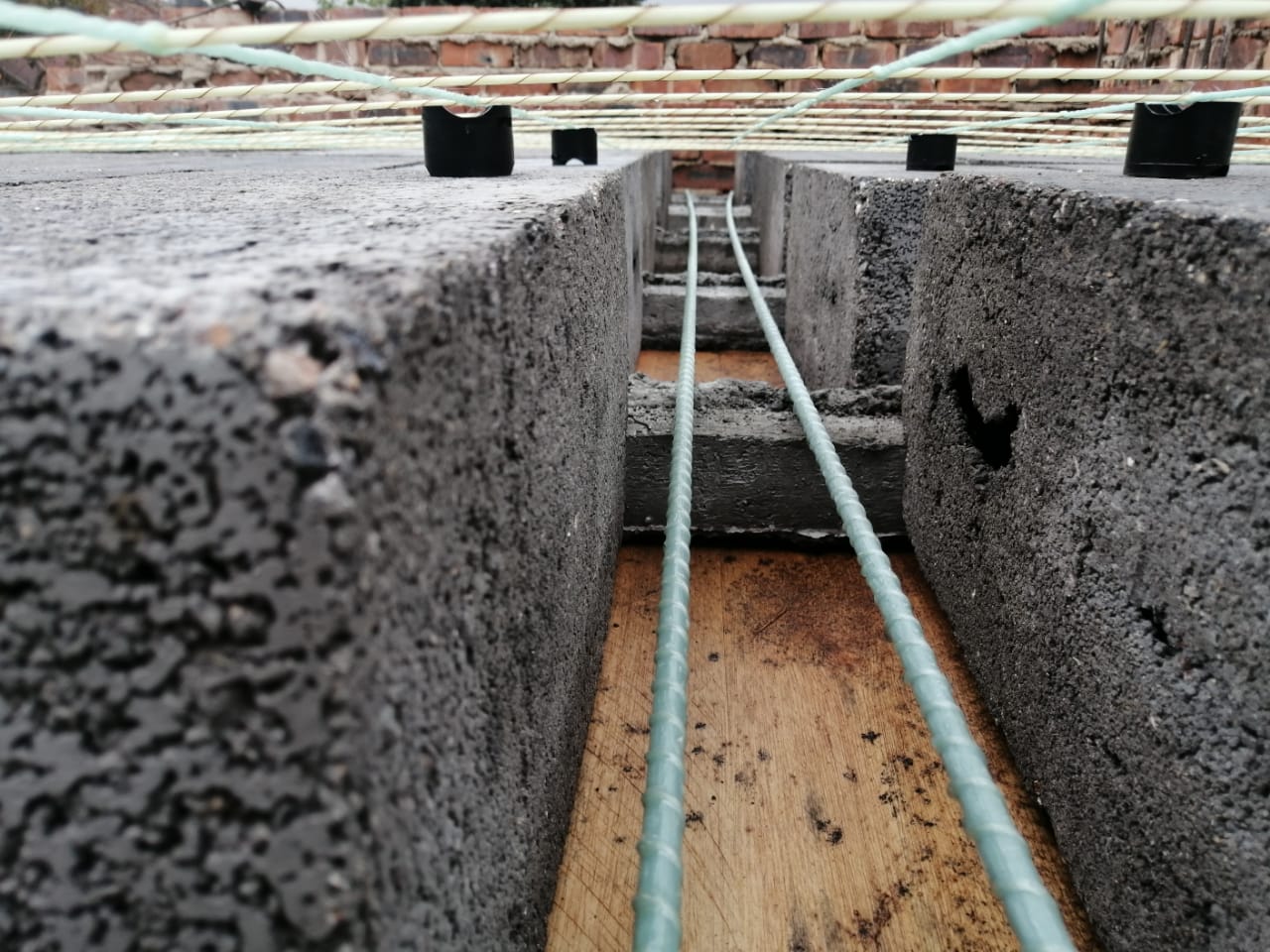
The GFRP Institute South Africa promotes the inspection, auditing and accreditation of facilities, the standardisation of specifications, the testing of GFRP materials and developing technical educational programming, promoting the increased use of GFRP reinforcement in concrete infrastructure such as bridges, roadways, seawalls and related structures across the African continent.
Lorem ipsum dolor sit amet, consectetur adipiscing elit. Ut elit tellus, luctus nec ullamcorper mattis, pulvinar dapibus leo.
Why BECOME A MEMBER
Your gateway to quality
Stand out with industry-recognised credentials.
Gain access to specialised technical expertise that will keep you informed and capable of solving the complex challenges in your field.
Stay informed on the latest trends, innovations, and best practices.
Build meaningful connections with a diverse group of professionals.
Expand your knowledge with exclusive educational resources designed to enhance your expertise.
As a member, you’ll enjoy exclusive discounts on industry-leading events, conferences, and seminars.
JOIN OUR COMMUNITY!
APPLICATIONS AND USES
Where can GFRP be used?
GFRP reinforcement comprises fibers made of polymers such as carbon, glass or aramid to reinforce concrete structures. Unlike traditional steel reinforcement, GFRP offers advantages such as high strength-to-weight ratio, corrosion resistance, and electromagnetic neutrality. These composites are highly durable, corrosion-resistant and lightweight, leading to reduced maintenance needs and lower transportation emissions. These properties contribute positively to sustainability and fit within a circular economy framework.
Exposed to Marine Chlorides

- Roadways, bridges, railings, median barriers
- Parking structures
- Sea walls, dry docks, port aprons
Structures

- Infrastructure and drainage products
- Wastewater treatment structures
- Architectural precast
- Wall systems
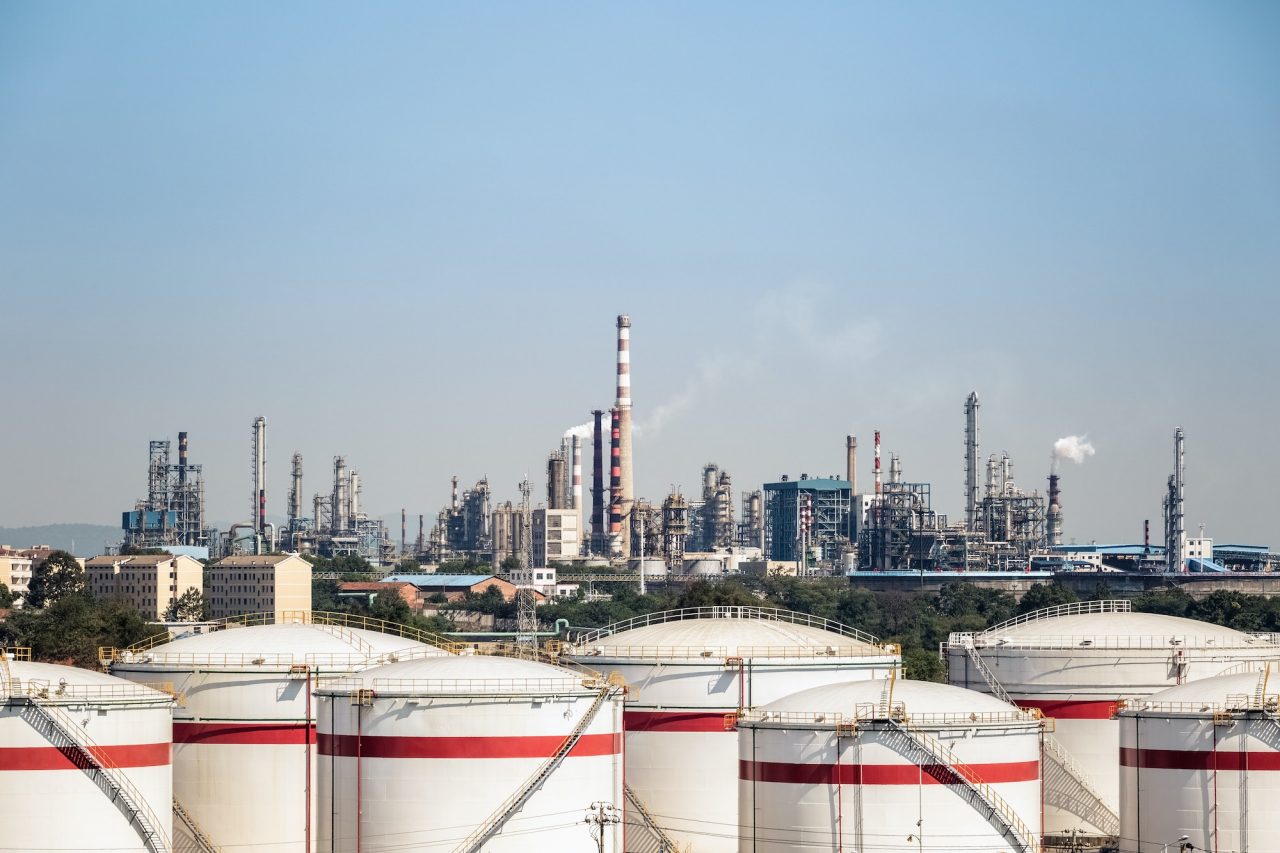
- High voltage substations, radio frequency-sensitive areas
- Hospital MRI areas, cable ducts and banks
Strengthening

- Seismic, wind or blast strengthening
- Strengthening for “event and cycle loading”
and Mining

- Sequential evacuation or MATM tunneling
- Temporary reinforcement, rock bolts

- Water treatment facilities, pipeline reinforcement, sanitation structures
- Drainage systems, sewer pipes, wastewater treatment components
Lorem ipsum dolor sit amet, consectetur adipiscing elit. Ut elit tellus, luctus nec ullamcorper mattis, pulvinar dapibus leo.
Partnerships and affiliations
We believe in strong partnerships and affiliations with industry leaders, innovators, and trusted organisations, ensuring the highest quality of GFRP composites in the construction industry.


NEED ANSWERS?
FREQUENTLY ASKED QUESTIONS
Interested individuals or organisations can engage with the institute through training programmes, partnerships, or by participating in collaborative projects aimed at advancing GFRP usage in construction.
The Institute implements strict quality control measures, conducts regular compliance inspections, and manages comprehensive certification programmes to ensure that all GFRP products meet essential safety and performance criteria. Our certification process will evaluate your product against our established standards. Once approved, you will receive official certification indicating compliance.
You can apply through our online Member Portal, where you’ll submit relevant product information and documentation. After an initial review, we will guide you through the testing and certification steps.
Link to member portal
If a product does not meet the required standards of the GFRP Institute, we will provide a detailed report identifying the areas of non-compliance. Companies can then address these issues and resubmit their product or facility for evaluation.
Yes, certifications can be revoked if periodic inspections or retests show that the product no longer meets the required standards, or if the standards themselves are updated and the product is not recertified.
Our standards are regularly reviewed and updated to reflect advances in technology, materials, and best practices within the construction industry, typically every two to five years.
Yes, the GFRP Institute offers workshops, webinar and on-site training to help manufacturers understand the standards. This ensures their products meets all requirements.
Yes, there are fees associated with the testing and certification process. To find out more, visit our Membership Portal and join today.
